
A lighting design plan is crucial for both refurbishments and new builds because it ensures optimal functionality, aesthetics, energy efficiency, and overall comfort. Here are key reasons why a lighting design plan is essential:
1. Improved Functionality and Safety
Task-Specific Lighting: Different areas of a building require different lighting types. For instance, kitchens need bright task lighting, while living rooms benefit from softer, ambient lighting. A plan ensures each space has the right kind of light for its intended use.
Enhanced Safety: Well-planned lighting helps prevent accidents, especially in areas like stairways, driveways, and walkways.
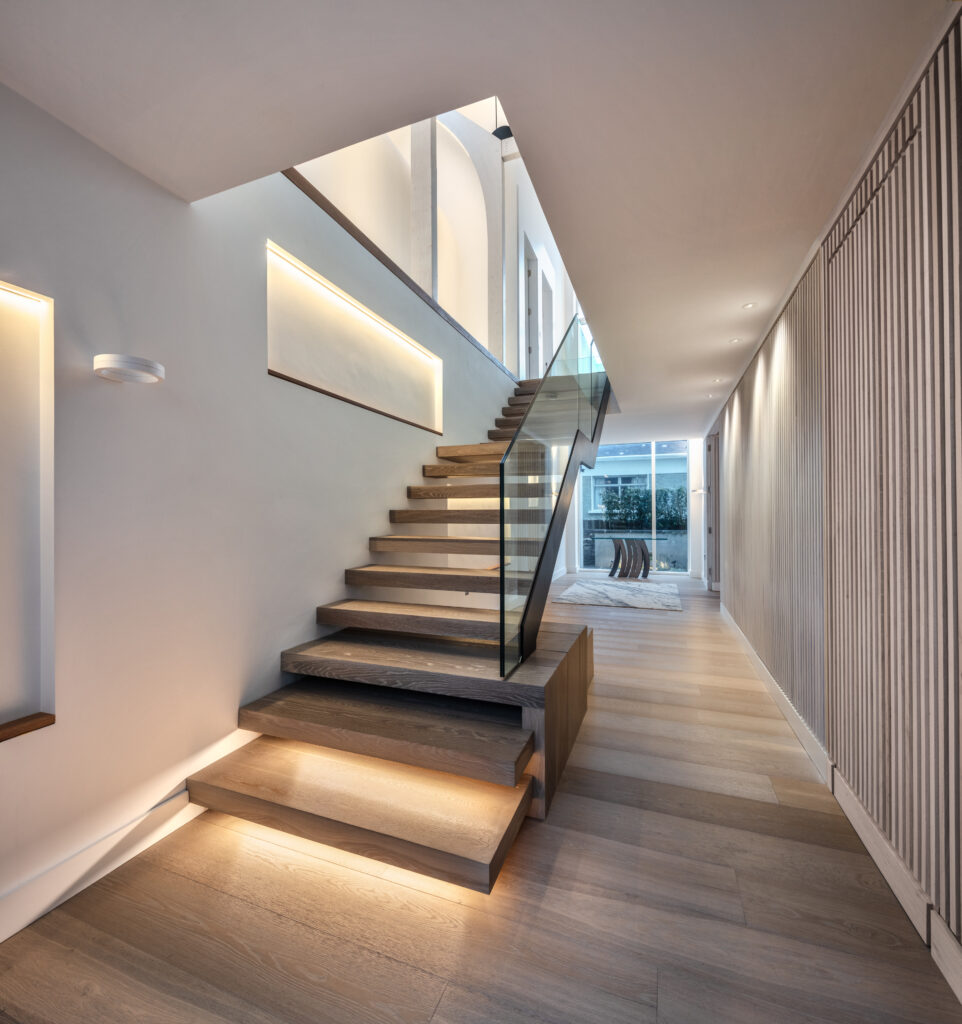
2. Aesthetic and Mood Enhancement
Creating Atmosphere: Lighting plays a key role in setting the mood and style of a space. A well-designed lighting plan can highlight architectural features, create ambiance, and make spaces feel more inviting.
Showcasing Design Elements: Accent lighting can be used to highlight art, textures, or unique design features in a room, elevating the overall interior design.
3. Energy Efficiency and Sustainability
Reduced Energy Consumption: With a lighting plan, energy-efficient fixtures and controls, such as LED lights or automated dimming systems, can be strategically installed. This reduces overall electricity consumption, leading to cost savings.
Sustainable Choices: A thoughtful lighting design considers sustainable lighting sources and smart systems that respond to natural light, reducing the need for artificial lighting during daylight hours.
Casambi Our lighting plan can include the energy efficient and multi-functional lighting control technology Casambi that will optimise energy performance. minimise energy consumption and reduce CO2 emissions.

4. Cost Savings
Avoiding Costly Mistakes: Without a plan, you risk installing lighting fixtures that don’t meet the needs of the space or don’t blend with the overall design, which can lead to expensive changes later.
Optimized Maintenance: A plan can also consider the lifespan and ease of maintenance for lighting fixtures, helping to avoid frequent replacements and reducing long-term costs.
5. Future-Proofing
Adapting to Technology: A well-considered lighting design can incorporate the latest in smart home technology, allowing for features like automated controls, remote access, and future upgrades as new lighting technologies emerge.
Scalability and Flexibility: For new builds, having a lighting design ensures flexibility for future changes in layout or usage of the space.

A lighting design plan is vital for creating efficient, aesthetically pleasing, and adaptable environments that enhance the user experience while being cost-effective and sustainable.
