
Great lighting doesn’t happen by accident. It starts with a plan.
When building a new home or undertaking a major renovation, lighting can sometimes be left until the electrical stage. But by then, many of the decisions that determine how well your home will be lit have already been made.
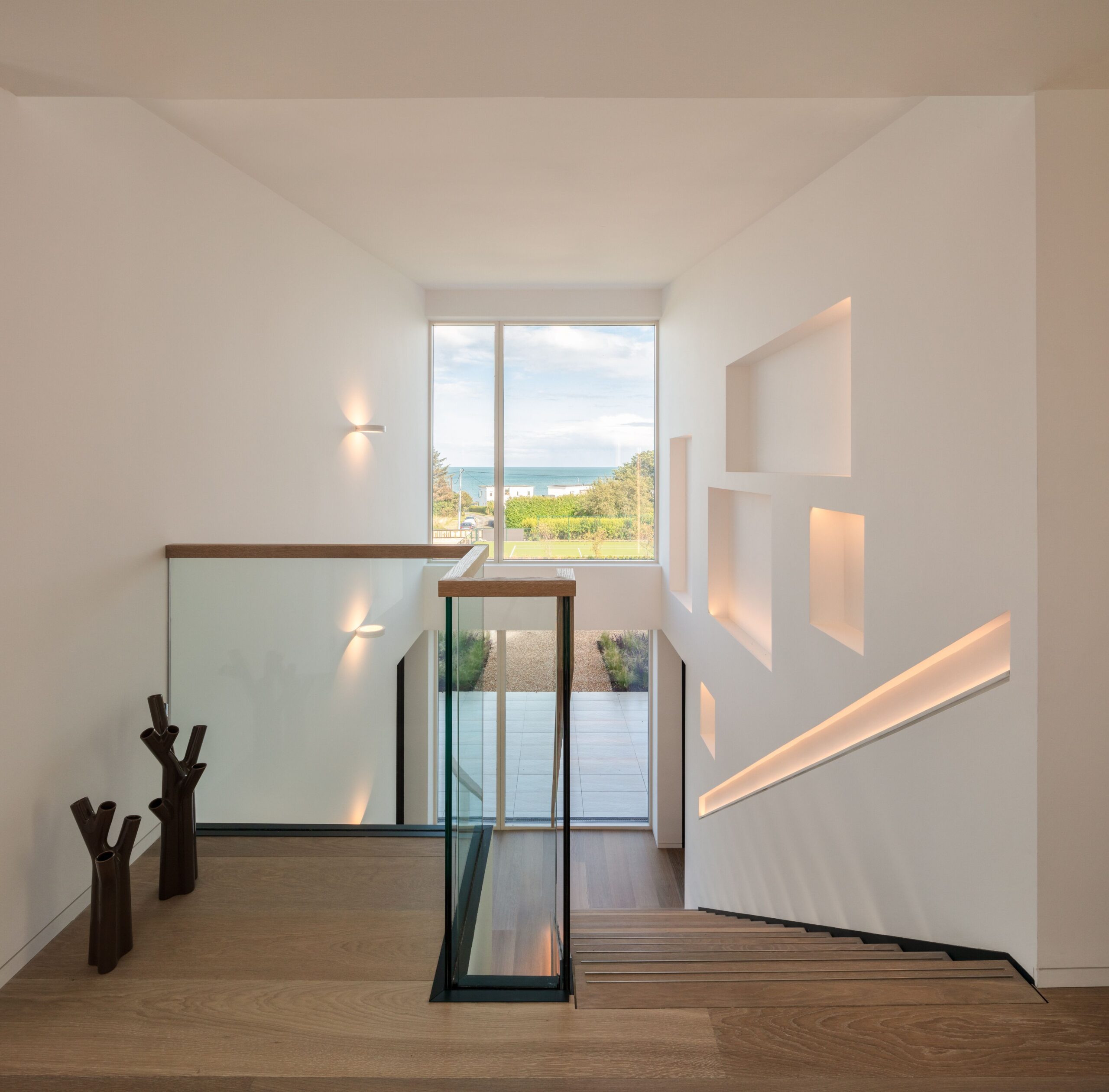
A professional lighting design plan considers how you will use each space, the atmosphere you want to create, the architectural features you want to highlight and how your lighting will be controlled.
Planning these elements early helps create a home that not only looks beautiful, but works beautifully too.
Light for how you live

Every room has different lighting requirements.
A kitchen needs good task lighting for preparing and cooking food, while dining and living areas benefit from softer layers of light that can change depending on how the space is being used.
This is particularly important in today’s open-plan homes, where one space may need to work for cooking, dining, entertaining and relaxing.
A lighting design plan considers each of these activities and places the right type of light where it is needed.
Make architecture a feature
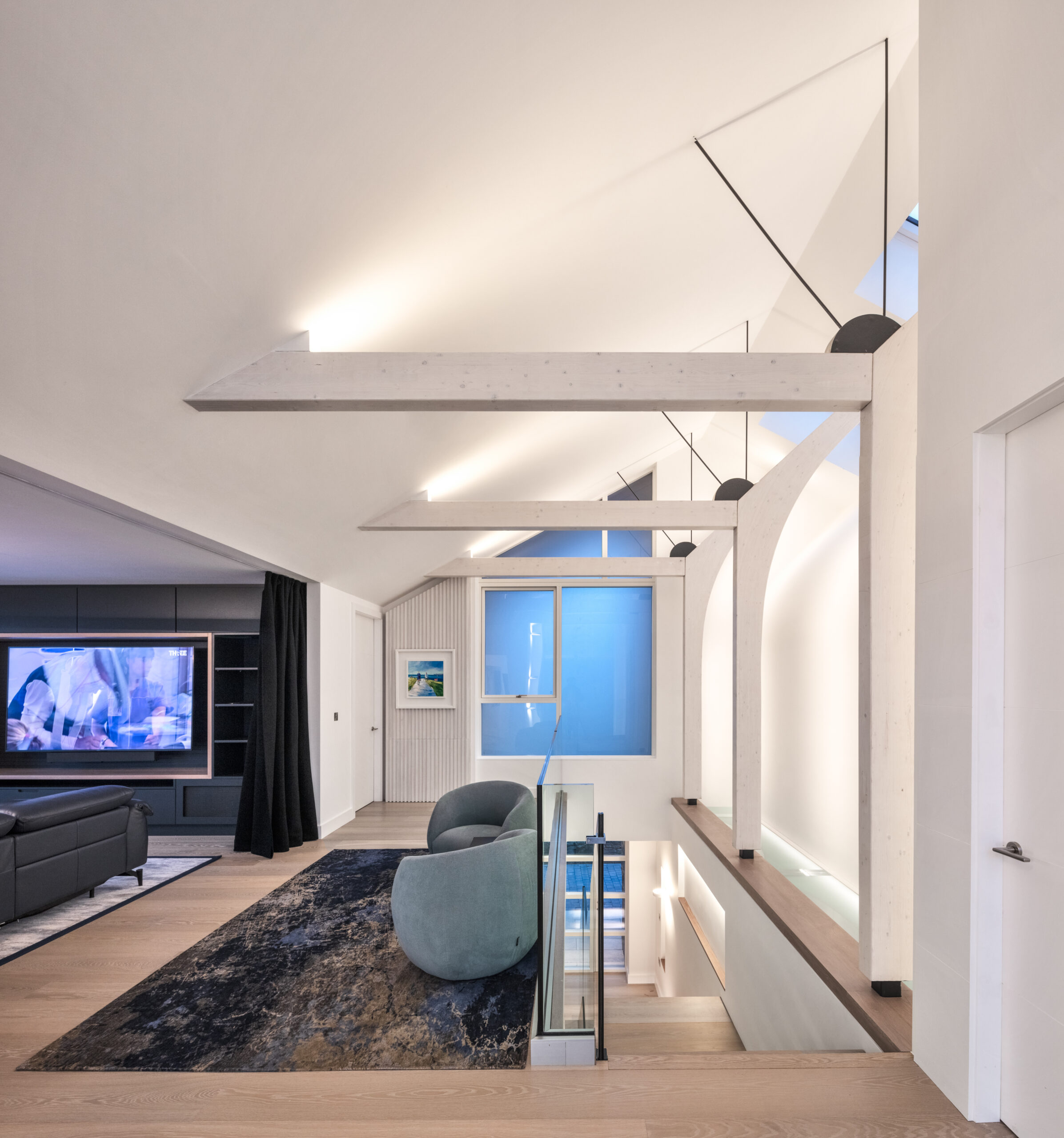
Good lighting can completely change how you experience the architecture of your home.
Rather than simply filling a room with light, carefully positioned architectural and accent lighting can draw attention to ceiling heights, staircases, artwork, joinery, textures and other design features.
Lighting becomes part of the architecture rather than something added afterwards.
Create atmosphere, not just brightness
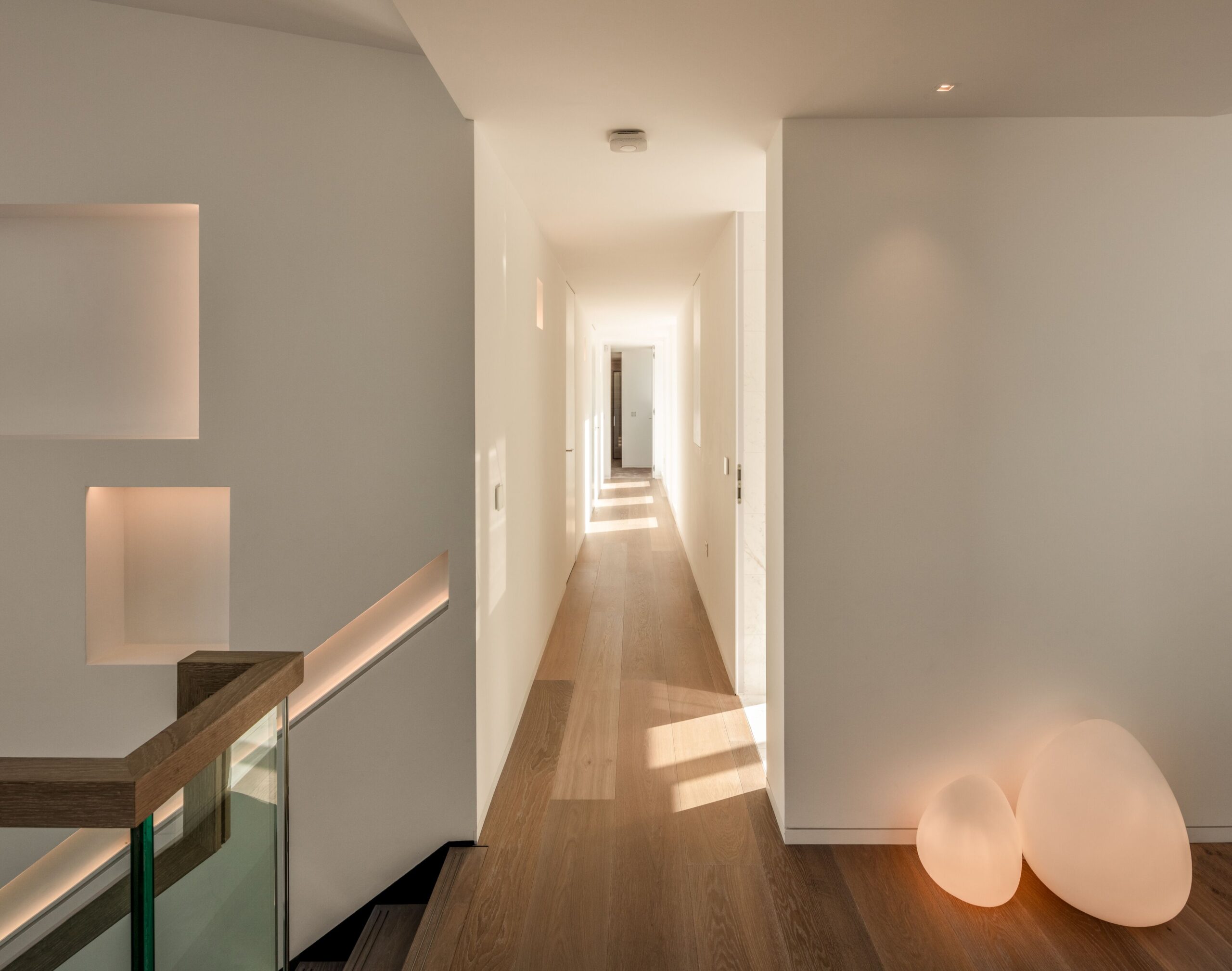
More light doesn’t necessarily mean better light.
Combining different layers of ambient, task, accent and decorative lighting allows you to create different moods throughout your home.
Dimming and lighting controls add another level of flexibility, allowing a bright, practical kitchen during the day to become a softer and more atmospheric space for dinner or entertaining in the evening.
Plan it before you wire it

Some of the most important lighting decisions need to be made before electrical work begins.
A detailed lighting plan establishes the location and type of lighting, along with switching, circuits and controls, giving your electrician clear information to work from.
Making these decisions early can help avoid compromises, unnecessary changes and costly alterations later in the project.
Energy efficiency and future-proofing
A considered lighting scheme can also help make your home more energy efficient and easier to control.
Energy-efficient LED lighting, dimming and intelligent lighting controls allow you to use light only where and when it is needed.
Depending on the requirements of your project, your lighting design can incorporate smart lighting control systems such as **Casambi or Plejd**, giving you greater flexibility over individual lights, groups and lighting scenes.
Thinking about controls at the design stage also helps ensure your lighting can adapt to changing needs and technology in the future.
What does a Wink Lighting Design Plan include:
Our Lighting Design Plan includes a consultation with our Home Lighting Designer, detailed lighting design drawings and specifications for the recommended lighting products.
We consider the architecture, interiors and how you intend to use your home to create a lighting scheme specifically for your project.

