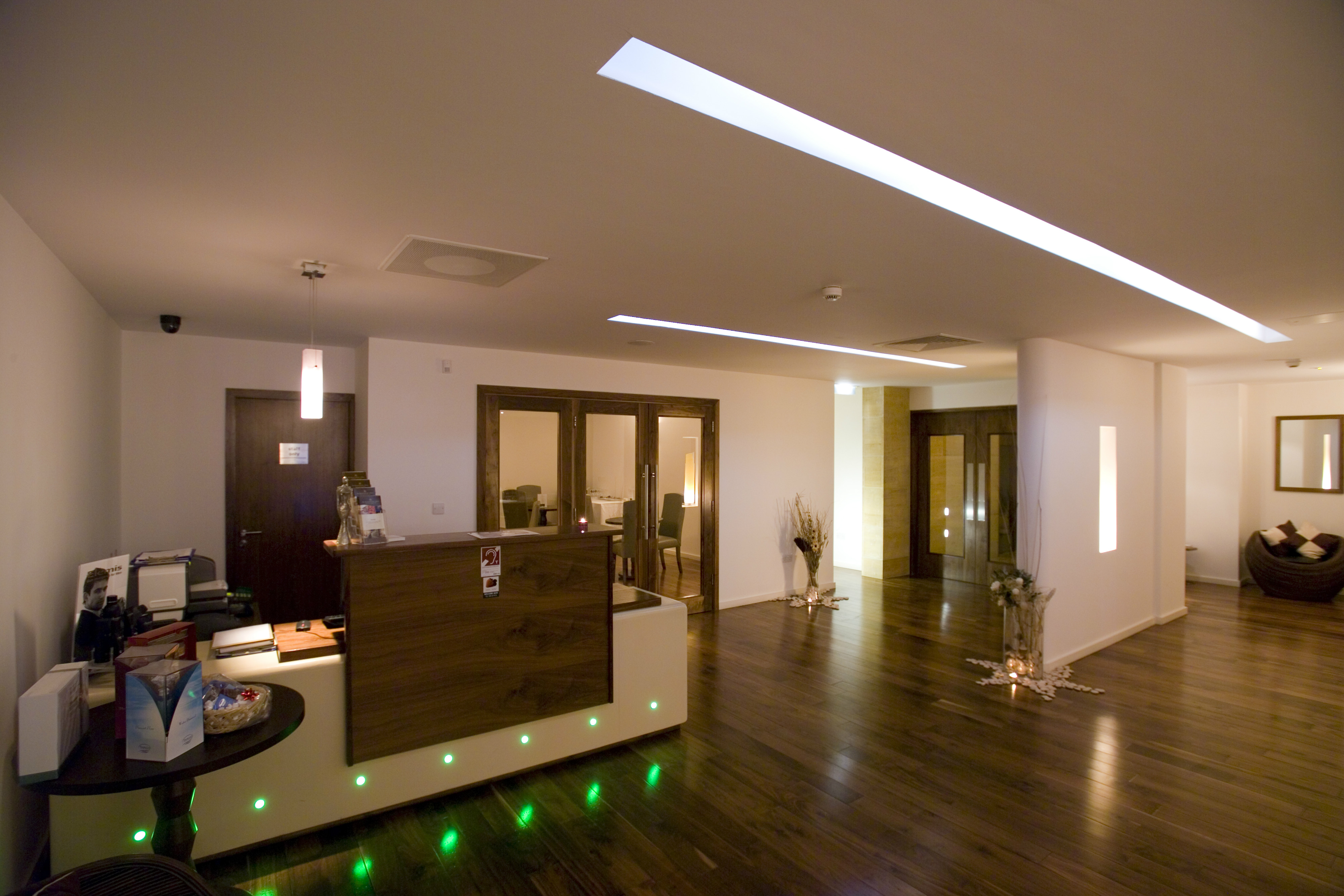
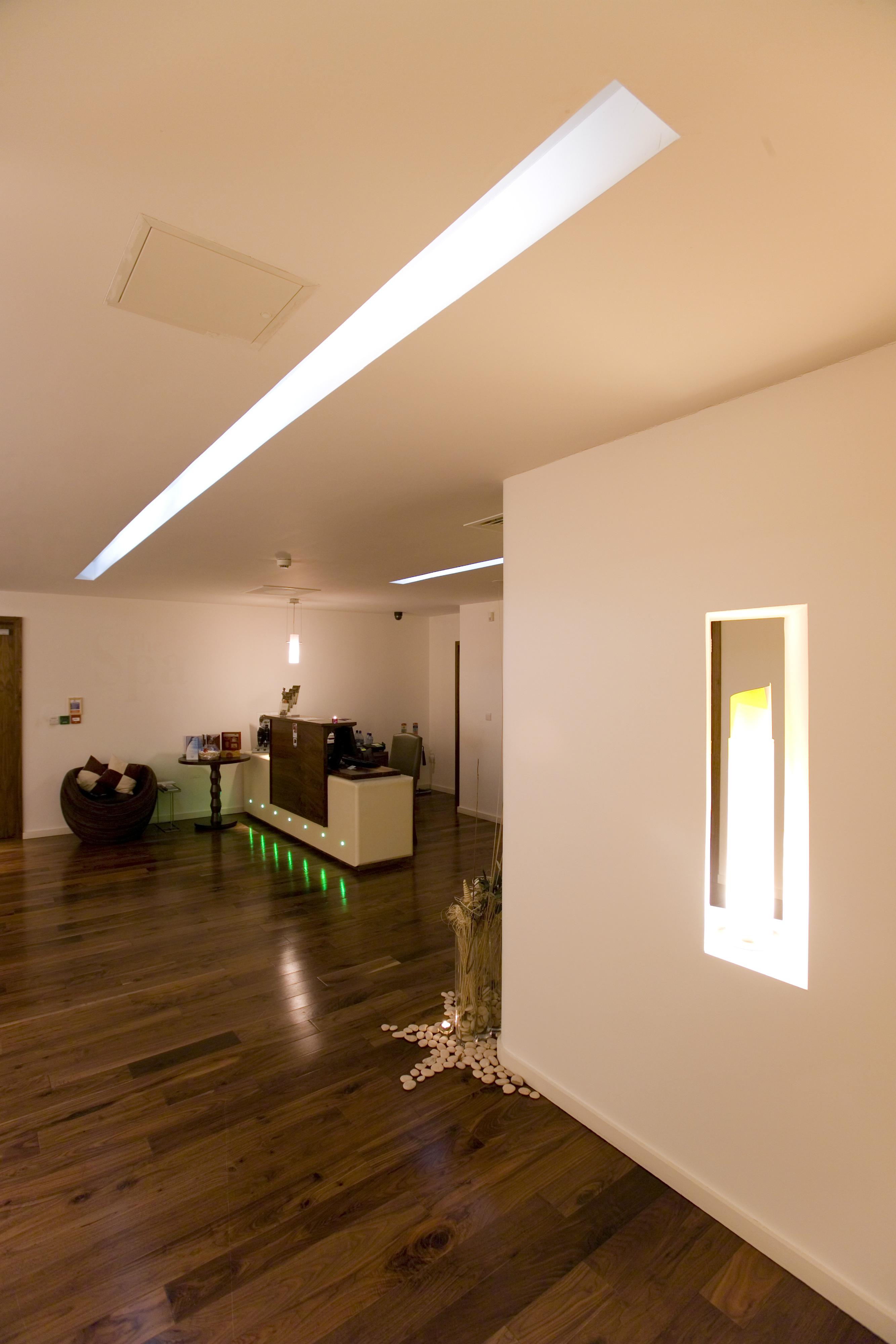
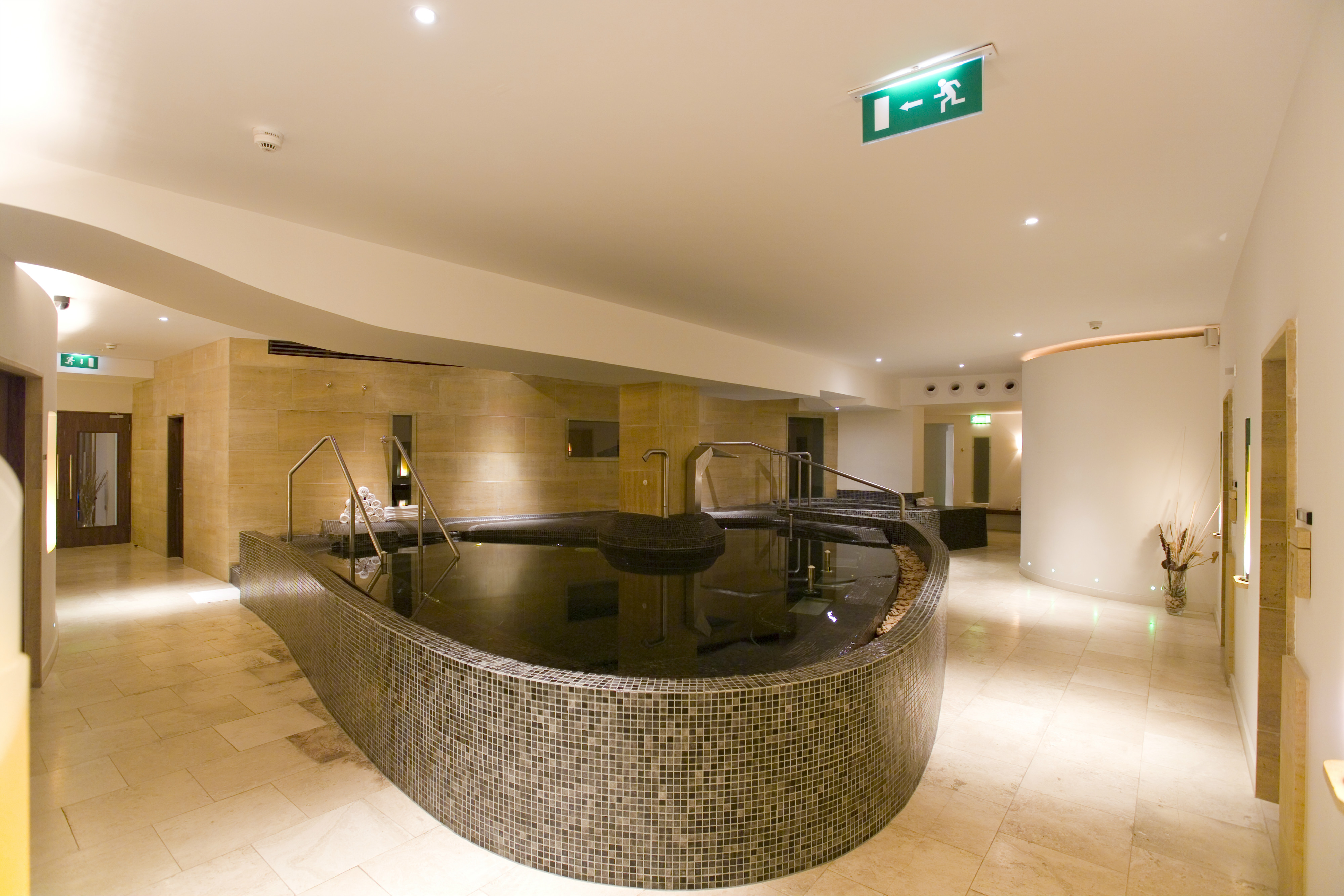
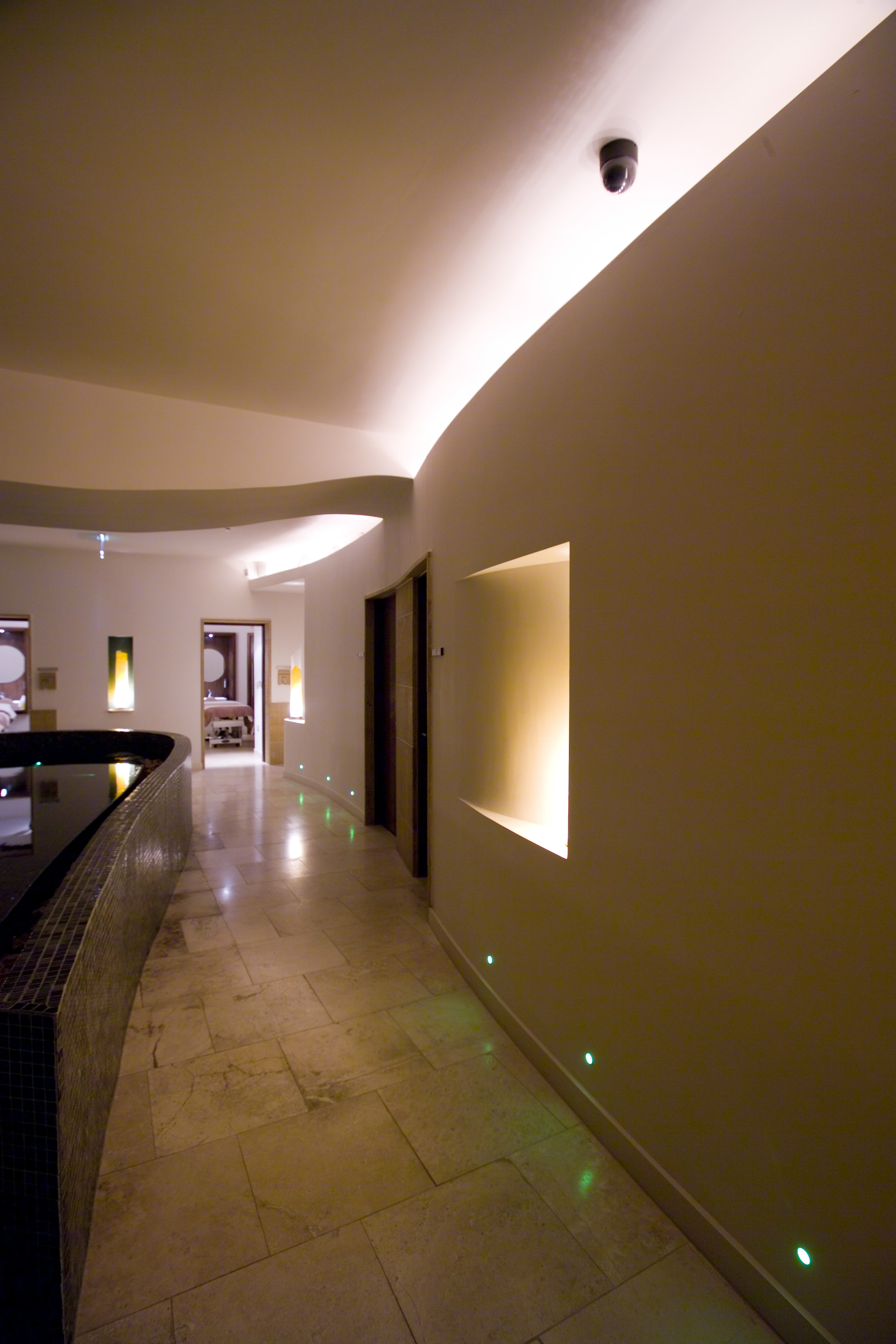
Hotel lighting – Mount Wolesley Spa
Lighting design in a hotel is crucial for creating a welcoming and comfortable atmosphere. Different areas within a hotel may require varying lighting approaches to meet their specific needs. Here’s a general guide for lighting different areas in a hotel:
- Lobby and Reception Area:
- Use a combination of ambient lighting to provide overall illumination.
- Highlight architectural features or artworks with accent lighting.
- Ensure the reception desk is well-lit for practical purposes.
- Hotel Rooms:
- Implement a layered lighting scheme with ambient, task, and accent lighting.
- Provide bedside lamps for reading.
- Use adjustable lighting fixtures to allow guests to customize the lighting to their preferences.
- Consider incorporating energy-efficient and user-friendly controls.
- Corridors and Hallways:
- Ensure sufficient ambient lighting for safe navigation.
- Consider using wall-mounted sconces or recessed lighting to avoid clutter.
- Incorporate motion sensors to save energy when these areas are not in use.
- Restaurants and Dining Areas:
- Use a mix of ambient lighting for general illumination.
- Incorporate pendant lights or chandeliers over dining tables for a touch of elegance.
- Consider dimmable lights to create different atmospheres for different times of the day.
- Bars and Lounges:
- Integrate a combination of ambient, task, and accent lighting to create a cozy and vibrant atmosphere.
- Use LED strips or under-counter lighting to highlight the bar area.
- Incorporate decorative lighting fixtures to add visual interest.
- Conference and Meeting Rooms:
- Provide adjustable lighting to accommodate different meeting setups.
- Consider integrating audio-visual control systems for easy management of lighting during presentations.
- Ensure good task lighting for workspaces within the rooms.
- Fitness Centers and Spa:
- Use bright, natural lighting in fitness areas to create an energizing environment.
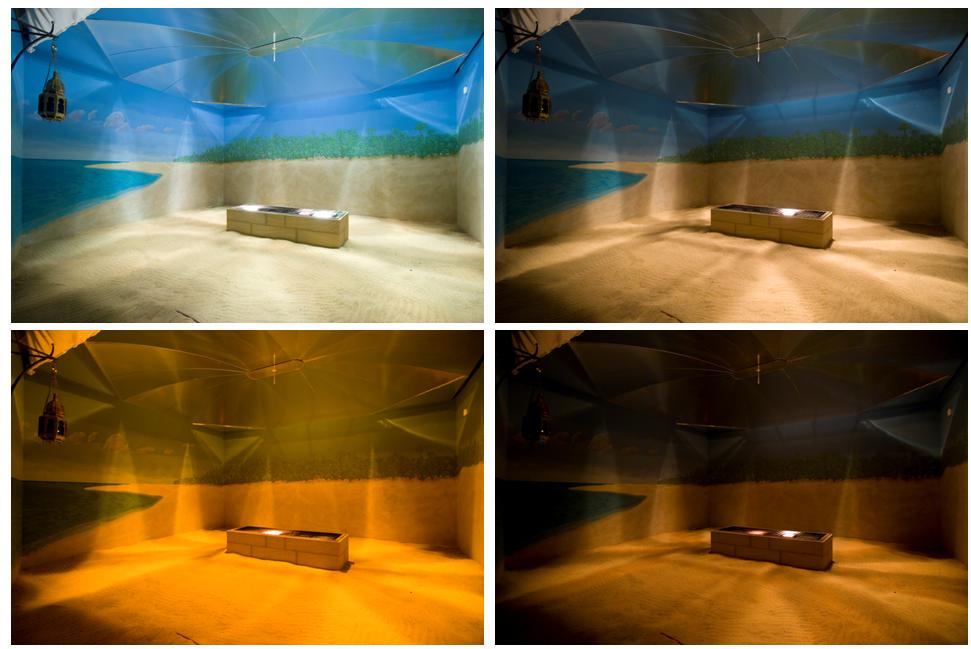
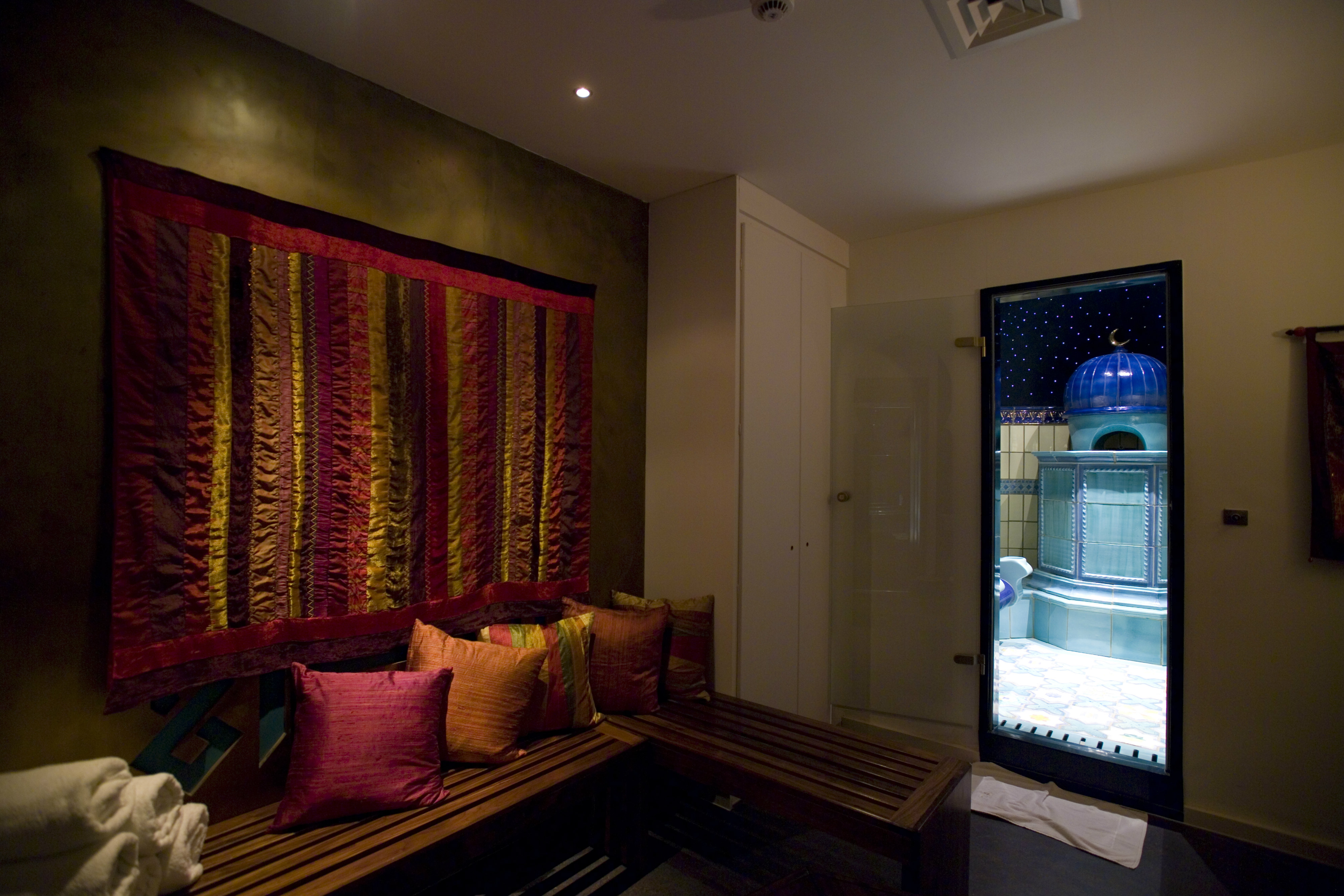
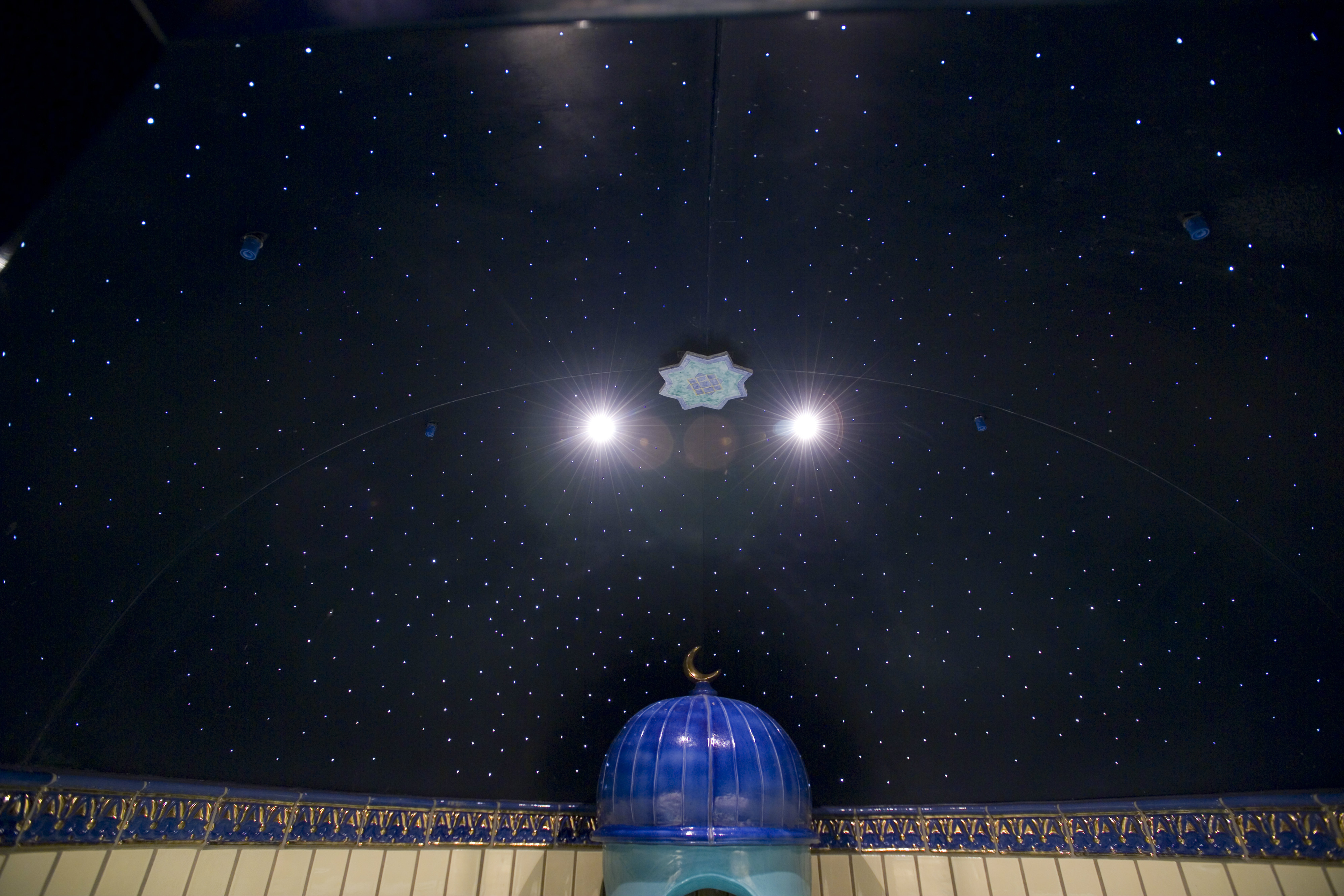
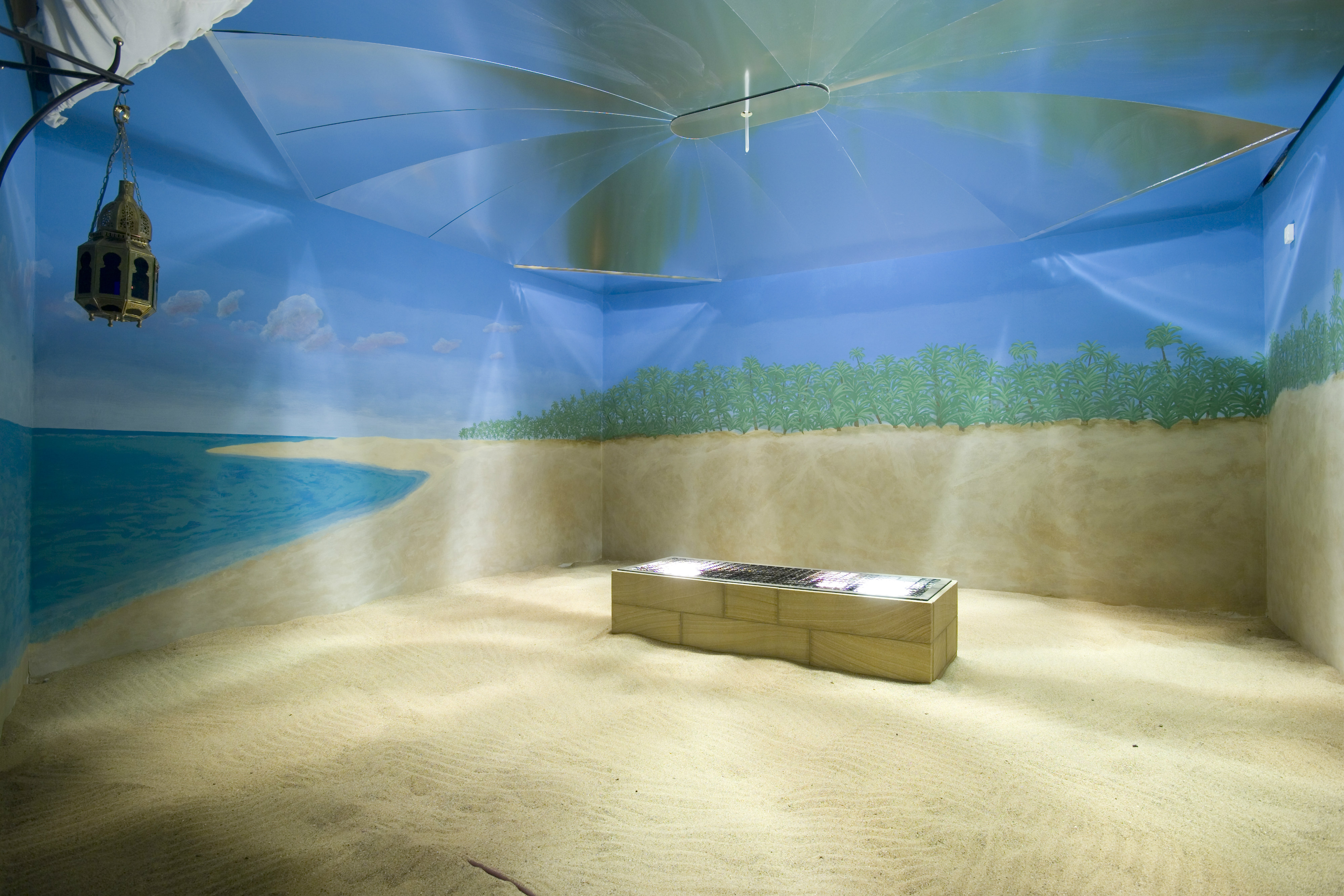
- Employ softer, more subdued lighting in spa areas for relaxation.
- Ensure task lighting in changing rooms and grooming areas.
- Outdoor Spaces:
- Use landscape lighting to highlight architectural features and pathways.
- Incorporate ambient lighting for outdoor seating areas.
- Consider motion-sensor lights for added security.
- Emergency Lighting:
- Ensure that emergency exits are well-lit with exit signs.
- Implement backup lighting systems to provide illumination in case of power outages.
- Energy Efficiency:
- Consider energy-efficient lighting options, such as LED bulbs, to reduce operating costs.
- Implement lighting controls, like motion sensors and programmable timers, to optimize energy usage.