
Thoughtful Lighting Design for Luxury Homes
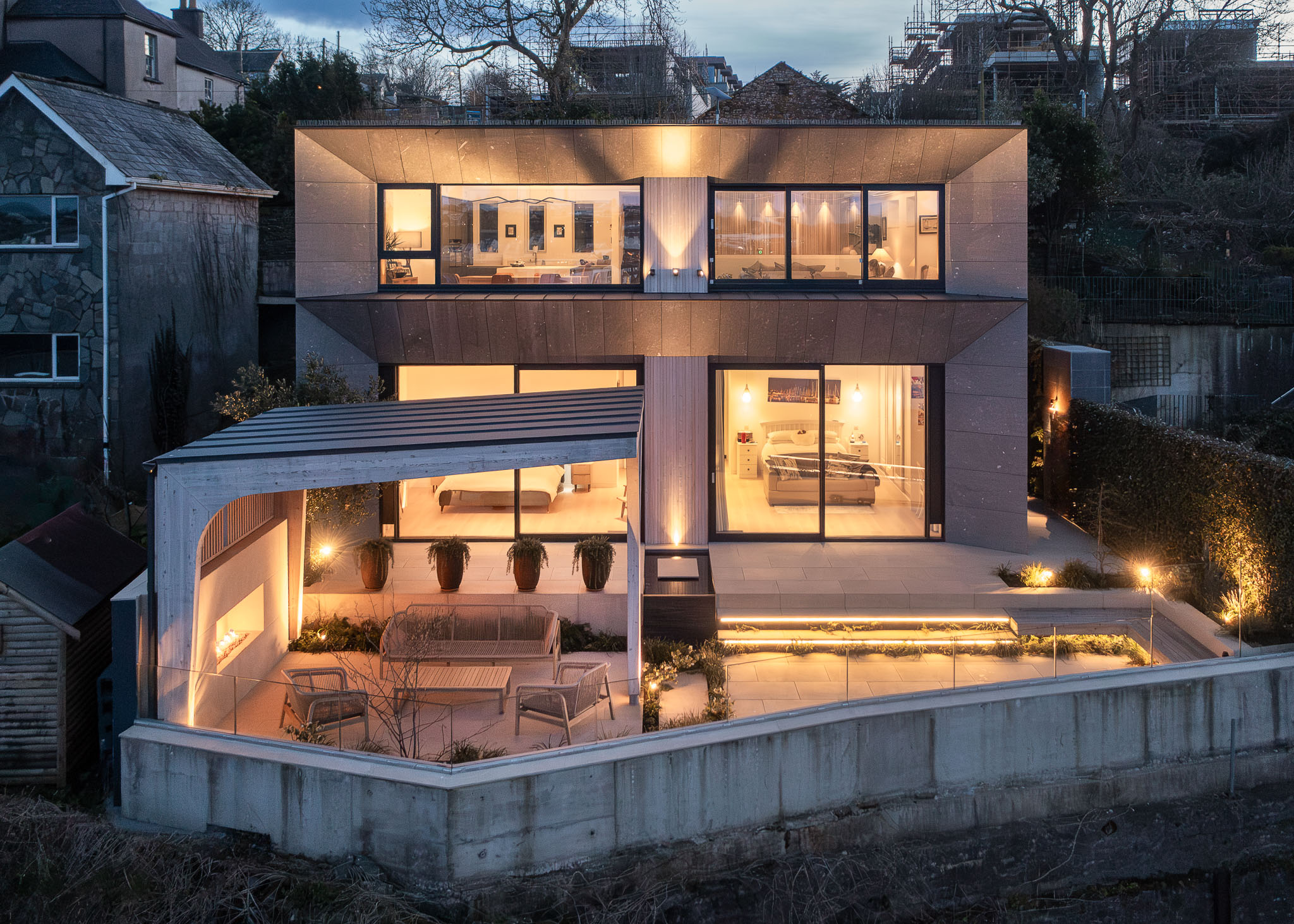
In the most beautifully designed homes, lighting does far more than illuminate a space. It shapes atmosphere, enhances materials, supports architecture, and influences how a home feels throughout the day and into the evening.
The difference is rarely about making a statement. Instead, it comes from careful planning, subtle layering, and a lighting scheme that feels calm, balanced, and effortless.
In exceptional homes, lighting is often felt before it is noticed.
A well-considered lighting design brings together architecture, interiors, joinery, art, and daily living into a seamless experience — creating spaces that feel warm, comfortable, and refined at every hour of the day. Working with an experienced lighting consultant early in the design process helps ensure every layer of light is coordinated with the architecture of the home itself.
Lighting as an Architectural Material
At Wink, our approach to high-end residential lighting is rooted in the belief that light should be considered an essential architectural material rather than an afterthought.
Led by Rocky Wall, alongside Aimee Corcoran and Conor O’Byrne our team focuses on creating tailored lighting schemes that bring together atmosphere, functionality, and architectural clarity in a seamless and understated way.
Rather than relying solely on overhead ceiling fixtures, our designs prioritise:
– Surface illumination
– Structural and architectural highlights
– Layered ambient lighting
– Visual comfort and reduced glare
– Lighting that enhances materials and spatial depth
This approach allows spaces to feel balanced and intentional, with light carefully integrated into the fabric of the home itself.
In luxury residential projects, quality of light is often far more important than quantity. Thoughtful restraint, carefully controlled contrast, and lighting that adapts naturally throughout the day all contribute to a home that feels calm, welcoming, and refined.
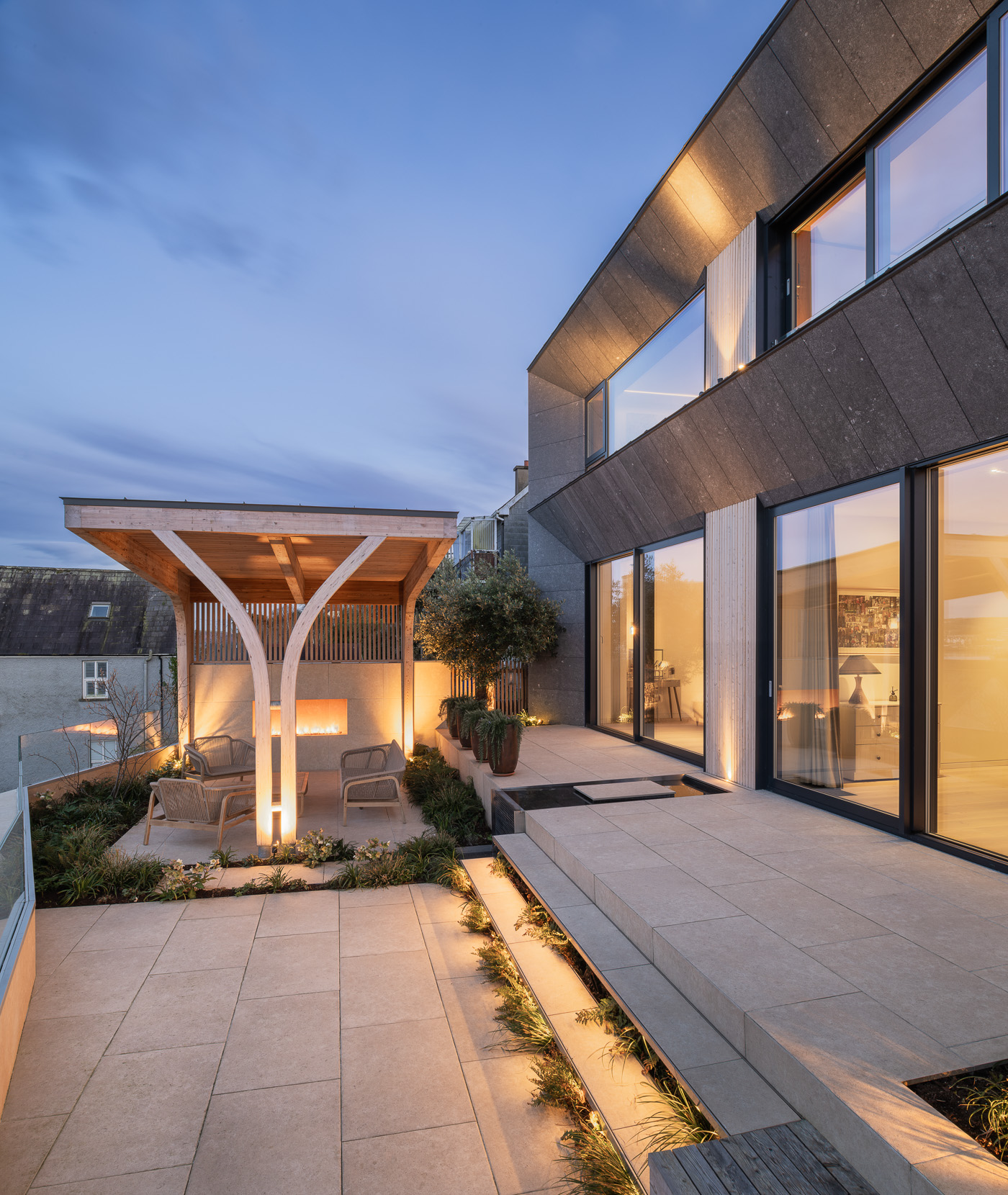
Lighting That Feels Considered
Luxury lighting is rarely defined by a single feature or decorative fitting. The most successful lighting schemes are composed in layers, with each type of light serving a different purpose while working together harmoniously.
A thoughtfully lit home typically combines:
– Ambient lighting to create softness and atmosphere
– Task lighting for functionality and visual comfort
– Accent lighting to highlight architectural details, artwork, and textures
– Decorative lighting to add character and visual interest
The balance between these layers creates depth and contrast, allowing spaces to feel inviting rather than uniformly bright.
Lighting also changes the way materials are perceived. Natural stone, timber, textured fabrics, and bespoke joinery all respond differently depending on light direction, intensity, and colour temperature. Carefully positioned light enhances these finishes and brings a sense of richness and dimension to the interior.
Just as importantly, good lighting adapts throughout the day. A kitchen used for cooking in the morning may become a softer, more intimate social space in the evening. Living spaces, bathrooms, staircases, and outdoor areas all benefit from lighting scenes that shift naturally to support different moods and activities.
For a residential lighting consultant, creating this sense of flexibility and atmosphere is a key part of ensuring the home feels both functional and emotionally connected to the way it is lived in.
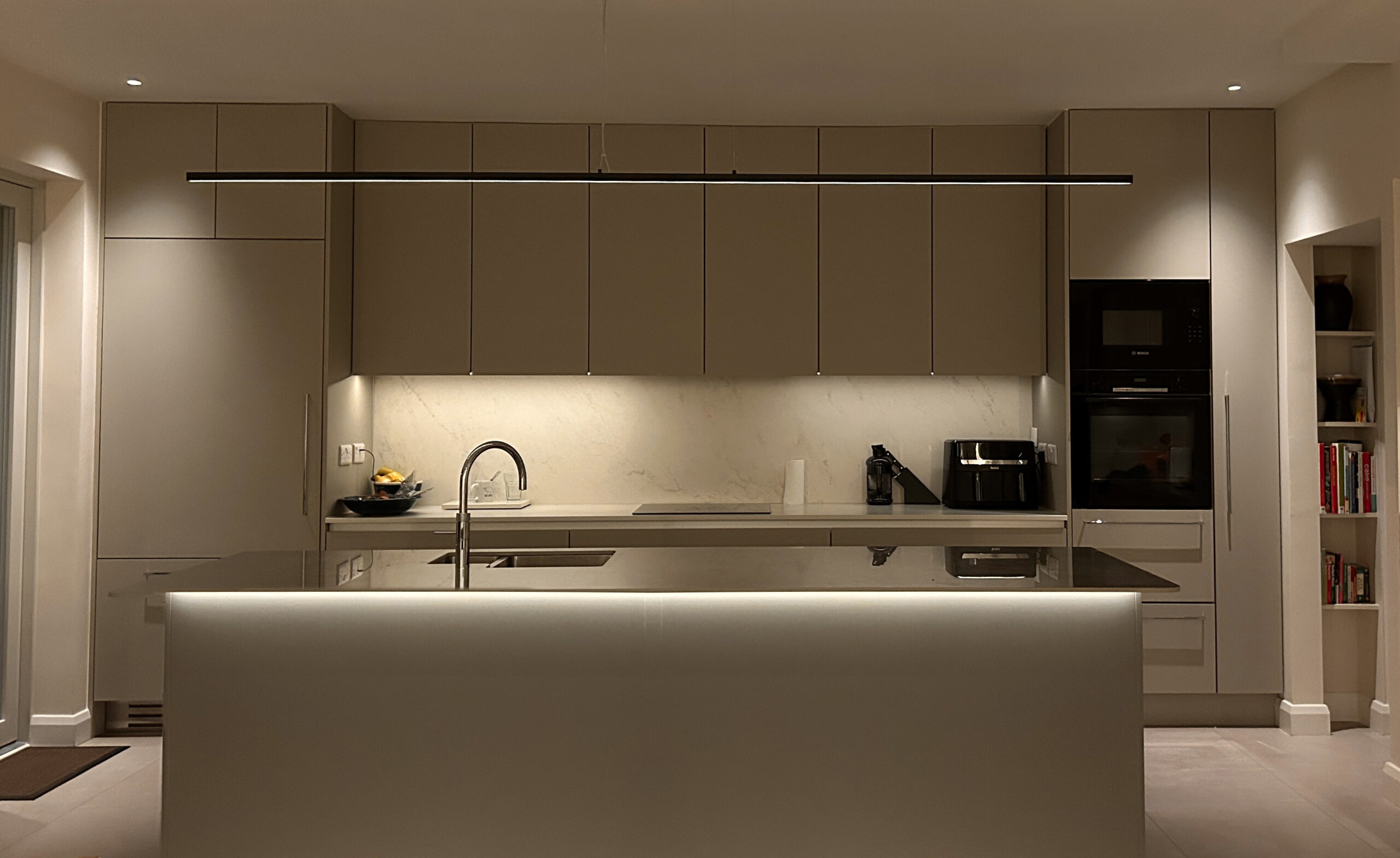
Photo: @aurorastudios Lighting design: Wink Lighting
The Importance of Layered Lighting
One of the defining characteristics of high-end residential lighting design is flexibility.
Rather than relying on a single source of illumination, layered lighting allows each space to respond to how it is being used at different times of day.
For example, a kitchen island may require:
– Focused task lighting for preparation
– Softer ambient lighting for evenings
– Architectural lighting integrated into joinery
– Decorative pendants to create a focal point
Each layer plays a role in shaping the atmosphere of the room.
Similarly, living areas benefit from a combination of concealed lighting, feature lighting, table lamps, and carefully controlled accent lighting that creates visual comfort and depth without overwhelming the space.
This level of balance is what gives luxury homes their distinctive sense of ease and refinement.
Why High-End Homes Require a Professional Lighting Plan
Lighting is one of the most technical and architectural elements within a home, yet it is often considered too late in the design process.
A professional lighting consultant considers far more than fixture placement alone, balancing technical performance, visual comfort, architectural integration, and the overall experience of the space.
A professional lighting plan ensures that lighting is fully integrated into the architecture and interior design from the beginning. It considers:
– Ceiling layouts and spatial proportions
– Beam angles and glare control
– Joinery integration
– Artwork and feature highlighting
– Driver and control locations
– Dimming performance
– Daylight levels and transitions from day to evening
– Furniture layouts and sightlines
– Exterior lighting and views from within the home
By coordinating these elements early, the lighting feels cohesive throughout the entire property rather than treated as a series of isolated decisions.
The result is a home that feels intuitive, comfortable, and visually balanced.

Creating Long-Term Value Through Good Planning
A professionally designed lighting scheme is not only about aesthetics — it also helps protect the investment being made in the home itself.
Avoiding Costly Changes
Without a clear lighting plan, decisions are often made in isolation during construction, which can lead to revisions later once the spaces are fully experienced.
Early planning helps ensure that:
– Lighting supports the intended atmosphere of each room
– Fixtures are positioned correctly from the outset
– Architectural details and finishes are properly illuminated
– Controls and dimming systems work cohesively throughout the home
This level of coordination helps avoid unnecessary adjustments later in the project and supports a smoother overall build process.
Optimised Maintenance
A considered lighting design also takes long-term maintenance into account.
Selecting quality fittings with appropriate lifespans, accessible driver locations, and suitable control systems can significantly reduce ongoing maintenance requirements over time.
Thoughtful planning helps ensure the home remains easy to manage while maintaining the integrity of the original lighting design for years to come.
Future-Proofing the Home
As residential technology continues to evolve, lighting plays an increasingly important role within the connected home.
A well-designed lighting system provides flexibility not only for current living but also for future changes in technology and lifestyle.
 Photo: f22 photography Architect: Keatings Architecture Lighting Design: Wink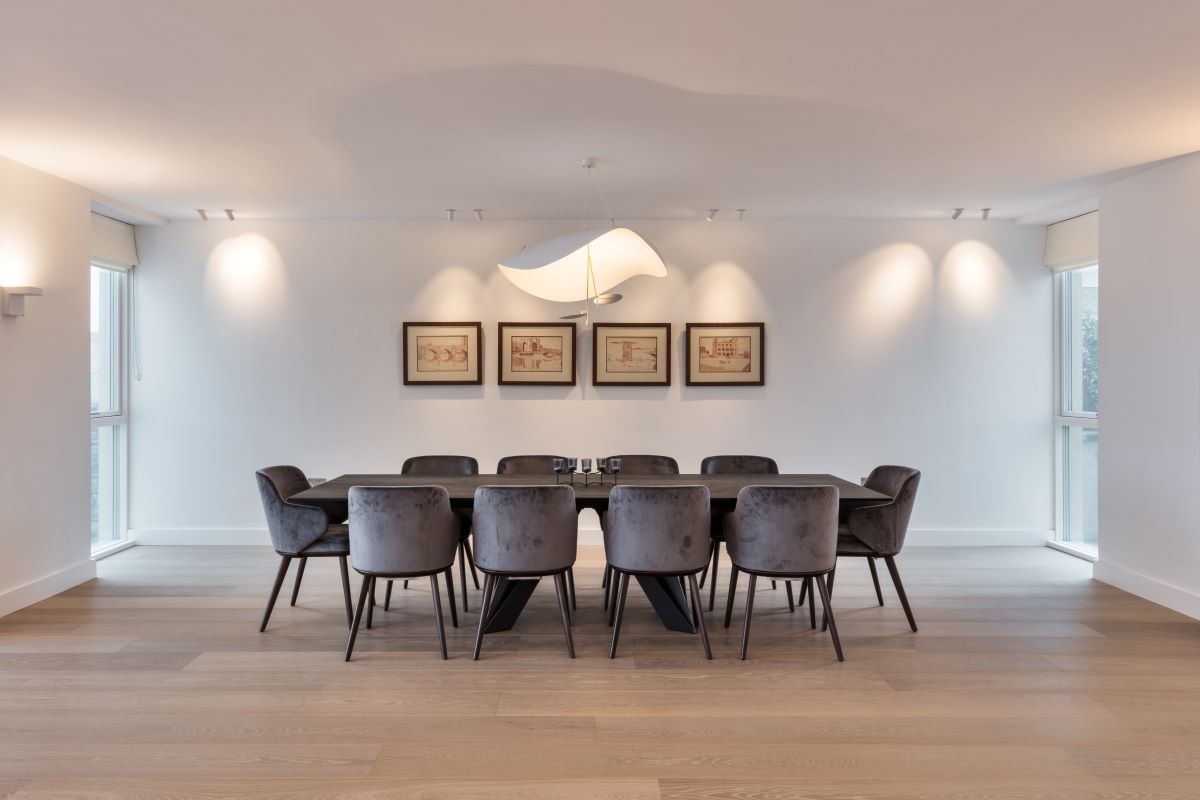
Integrating Smart Lighting Control
Modern lighting design can incorporate intelligent control systems that allow homeowners to adjust lighting scenes effortlessly throughout the home.
Systems such as Casambi and Plejd offer flexible Bluetooth-based control solutions that support:
– Scene setting
– Automated schedules
– Remote access
– App-based control
– Integration with wider smart home systems
These technologies allow lighting to adapt seamlessly to daily routines while remaining discreet and intuitive to use.
Scalability and Flexibility
For new-build homes in particular, a professional lighting design creates flexibility for the future.
As spaces evolve over time, a well-planned infrastructure allows layouts, furniture arrangements, and room functions to change more easily without compromising the lighting scheme.
By planning ahead, homeowners gain a lighting system that can evolve alongside the home itself.
Lighting as Part of the Architectural Experience
The most successful luxury homes are rarely defined by a single lighting feature. Instead, they are shaped by the quiet consistency of a carefully considered scheme — one that supports architecture, materials, and the rhythms of everyday living in a subtle and seamless way.
For luxury residential projects, working with a dedicated architectural lighting consultant helps ensure the lighting scheme remains cohesive, flexible, and aligned with the wider vision for the home.
When thoughtfully designed, lighting brings clarity, warmth, and atmosphere to every space while allowing the architecture and interiors to speak for themselves.
It is this balance of technical precision and understated elegance that gives a home its distinctive sense of quality and comfort.
Frequently Asked Questions
What does a lighting consultant do in a luxury home?
A lighting consultant creates a coordinated lighting design that supports the architecture, interiors, functionality, and atmosphere of the home. This includes lighting layouts, glare control, dimming systems, scene setting, smart lighting integration, and coordination with architects, interior designers, and contractors.
Why is lighting design important in high-end residential projects?
Lighting influences how materials, proportions, textures, and spaces are experienced. In luxury homes, thoughtful lighting design creates atmosphere, visual comfort, flexibility, and cohesion throughout the property.
What is layered lighting?
Layered lighting combines ambient, task, accent, and decorative lighting to create depth, flexibility, and atmosphere within a space. This approach allows lighting to adapt throughout the day while supporting both functionality and comfort.
When should lighting design be considered in a new build?
Ideally, lighting design should be considered early in the architectural process so that ceiling details, joinery integration, lighting controls, and electrical infrastructure can all be properly coordinated from the outset.
What makes lighting feel truly high-end?
Luxury lighting is rarely about brightness alone. The most successful lighting schemes use carefully layered light, reduced glare, controlled contrast, and architectural integration to create spaces that feel calm, balanced, and refined.
